




Bispecific Antibodies: Design Strategies and Therapeutic Applications
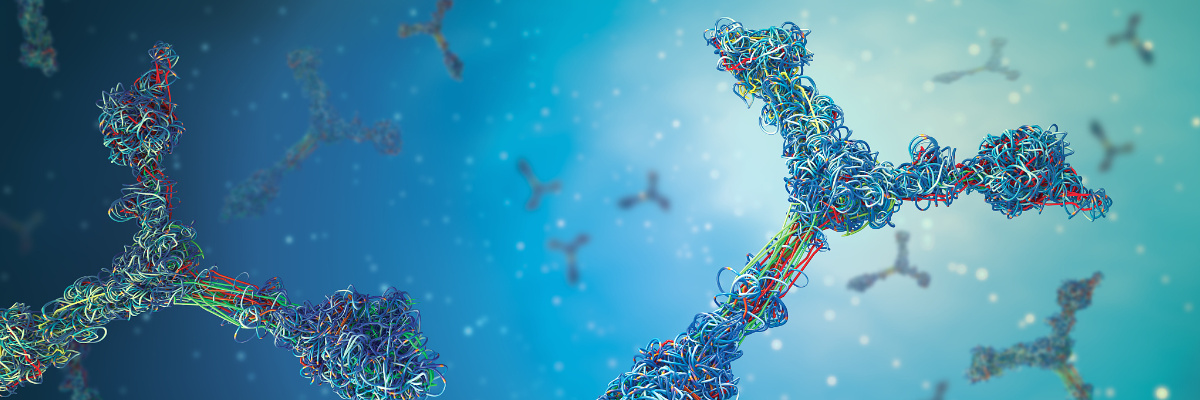
Bispecific antibodies (bsAbs) represent a rapidly growing class of next-generation therapeutics capable of simultaneously engaging two distinct antigens or epitopes. This dual-targeting capability offers unprecedented flexibility for modulating complex biological pathways, redirecting immune cells toward tumor cells, or enhancing specificity in inflammatory diseases. The development of bispecific antibodies requires sophisticated engineering to ensure correct chain pairing, maintain structural stability, and preserve biological activity. As clinical applications expand, understanding the design principles and potential therapeutic benefits of bsAbs is essential for researchers and developers.
Design Strategies for Bispecific Antibodies
Designing a bispecific antibody involves several key challenges, primarily ensuring correct heavy-light chain pairing and maintaining structural integrity. Multiple formats have been developed to address these challenges, including tandem single-chain variable fragments (scFv), dual-variable domain antibodies, and IgG-like bispecifics with engineered Fc regions. Each format has unique advantages in terms of stability, half-life, effector function, and manufacturability.
Molecular engineering often focuses on optimizing domain interfaces, introducing mutations that favor correct pairing, and minimizing misfolded or aggregated species. Advanced computational modeling and high-throughput screening are commonly used to predict and validate structural compatibility, enabling the generation of functionally active bispecific molecules.
Functional Advantages of Dual-Targeting
Bispecific antibodies offer functional advantages that conventional monospecific antibodies cannot achieve. In oncology, one arm can engage a tumor-associated antigen while the other recruits immune effector cells such as T cells or NK cells. This approach enables precise immune redirection, enhancing tumor cell killing while minimizing off-target toxicity. In autoimmune or inflammatory diseases, bispecifics can simultaneously block two signaling pathways, providing synergistic therapeutic effects that are difficult to achieve with separate antibodies.
The dual-targeting mechanism also allows for fine-tuning of immune responses and improved therapeutic windows, reducing side effects and potentially enabling lower dosing regimens. This versatility has led to a surge of clinical trials exploring bispecific antibodies across a range of diseases.
Engineering Challenges and Solutions
Despite their promise, bispecific antibodies pose several engineering challenges. Correct chain pairing is critical to prevent misassembled products, and maintaining stability can be difficult due to increased structural complexity. Glycosylation, solubility, and aggregation are additional factors that must be carefully controlled.
Several strategies address these challenges. Knobs-into-holes mutations in Fc regions improve heterodimer formation, while domain swapping and charge-pair engineering ensure correct heavy-light chain interactions. Glycoengineering and expression optimization further enhance stability and solubility. By integrating these approaches, developers can produce bispecific antibodies with high yield, functional potency, and long-term stability suitable for clinical use.
Clinical Applications of Bispecific Antibodies
Bispecific antibodies are particularly prominent in cancer immunotherapy. Molecules that engage CD3 on T cells and a tumor antigen can directly recruit cytotoxic T cells to tumor cells, enabling potent anti-tumor activity. Other applications include targeting immune checkpoints, inflammatory mediators, or infectious pathogens.
Beyond oncology, bispecific antibodies are explored for autoimmune disease, viral neutralization, and regenerative medicine. The ability to simultaneously modulate two biological targets offers therapeutic strategies that are otherwise difficult to achieve with conventional monoclonal antibodies or combination therapies.
Future Trends and Perspectives
The future of bispecific antibodies is driven by improved molecular design, AI-assisted modeling, and novel expression platforms. Researchers are exploring multispecific formats, conditional bispecifics, and modular designs that can adapt to dynamic therapeutic needs. As production technologies advance, scalable and cost-effective manufacturing solutions are becoming more feasible, accelerating clinical development and commercialization. Bispecific antibodies are set to play a central role in the next generation of precision therapeutics, offering unprecedented versatility and efficacy.
Led by an experienced team of recombinant antibody and protein scientists, GenCefe Biotech provides comprehensive solutions for recombinant antibody and protein production. Supported by our well-established gene synthesis platform and advanced CHO and HEK293 mammalian expression systems, we deliver end-to-end services—from gene synthesis and expression vector construction to antibody and protein purification, as well as large-scale manufacturing.