




Recombinant Antibodies in COVID-19 and Infectious Disease Research
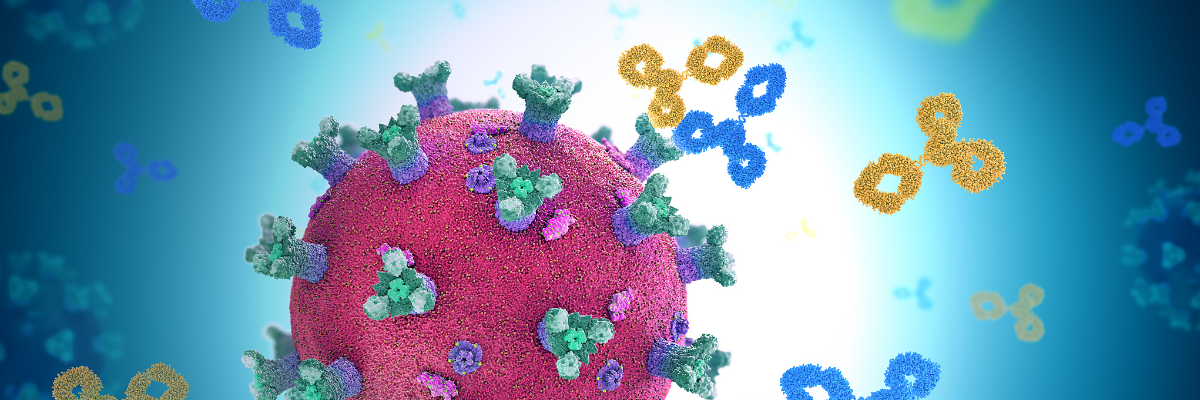
Recombinant antibodies have played a transformative role in the global response to COVID-19 and other infectious diseases. Their sequence-defined nature, reproducibility, and adaptability make them essential tools for viral neutralization, therapeutic development, and diagnostic testing. Unlike traditional hybridoma-derived antibodies, recombinant antibodies can be rapidly engineered, optimized, and scaled to meet urgent research and clinical demands. This flexibility has enabled accelerated discovery of neutralizing antibodies, rapid development of diagnostic assays, and the creation of advanced therapeutics in response to emerging pathogens.
Rapid Development of Neutralizing Antibodies
During the COVID-19 pandemic, recombinant antibody technology allowed for the rapid identification and production of potent neutralizing antibodies targeting the SARS-CoV-2 spike protein. By leveraging high-throughput screening, sequence optimization, and mammalian expression systems, researchers produced antibodies that could effectively block viral entry. This approach drastically reduced development timelines compared with conventional methods and facilitated the generation of antibodies suitable for both preclinical studies and clinical evaluation.
Diagnostic Applications
Recombinant antibodies are widely used in diagnostic platforms for infectious diseases. Their consistent quality, high specificity, and predictable performance make them ideal for ELISA assays, lateral-flow tests, and multiplexed detection platforms. For COVID-19, recombinant antibodies targeting spike or nucleocapsid proteins enabled accurate and sensitive detection, supporting public health testing, serological surveys, and rapid point-of-care diagnostics. Their reproducibility ensures that large-scale assay production maintains consistent performance across batches, an essential factor for global diagnostic deployment.
Therapeutic Development and Clinical Use
Beyond diagnostics, recombinant antibodies have been critical in therapeutic interventions. Monoclonal antibodies engineered for neutralization or immune modulation have been evaluated in clinical trials to prevent or treat SARS-CoV-2 infection. Recombinant technology allows precise control over affinity, specificity, and Fc function, ensuring therapeutic efficacy and safety. The same principles apply to other infectious diseases, where antibodies targeting viral surface proteins or immune modulators can be rapidly developed in response to outbreaks.
Engineering Advantages for Emerging Pathogens
Recombinant platforms enable rapid adaptation to viral mutations, a critical advantage when addressing emerging pathogens. Sequence-defined antibodies can be re-engineered quickly to maintain binding against new variants, minimizing the lag between discovery and deployment. Additionally, advanced antibody formats such as bispecifics, Fc-engineered variants, or antibody-drug conjugates can be explored to enhance antiviral activity, broaden neutralization breadth, or modulate immune responses. This flexibility supports ongoing efforts to manage evolving infectious threats effectively.
Future Perspectives
The success of recombinant antibodies in COVID-19 research underscores their importance for future infectious disease preparedness. By combining rapid engineering, scalable production, and robust quality control, recombinant antibodies provide a versatile platform for diagnostics, therapeutics, and vaccine research. As technology continues to advance, recombinant antibodies will remain a cornerstone of global infectious disease response, enabling faster, more precise, and more reliable interventions.
Led by an experienced team of recombinant antibody and protein scientists, GenCefe Biotech provides comprehensive solutions for recombinant antibody and protein production. Supported by our well-established gene synthesis platform and advanced CHO and HEK293 mammalian expression systems, we deliver end-to-end services—from gene synthesis and expression vector construction to antibody and protein purification, as well as large-scale manufacturing.