




Cell-Free Protein Expression for Challenging Antibodies
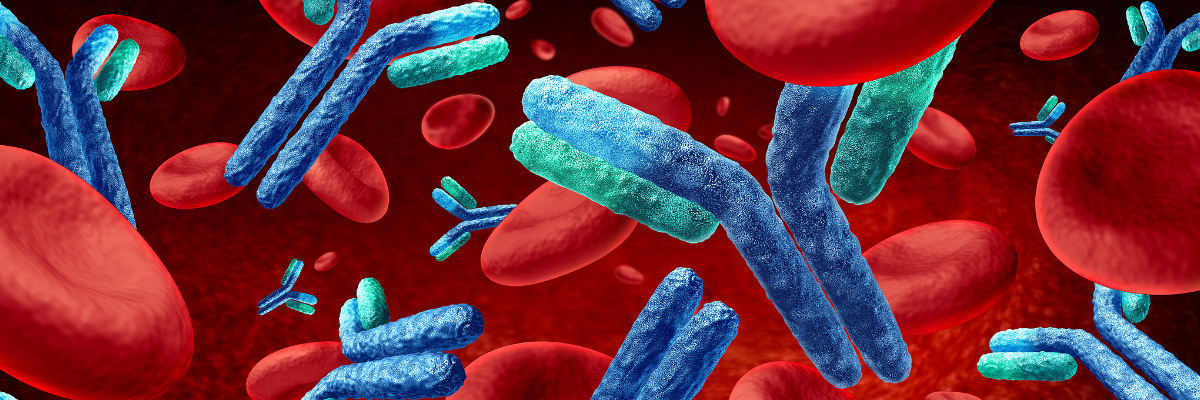
Producing certain antibodies using traditional mammalian or bacterial expression systems can be challenging due to low solubility, aggregation, toxicity to host cells, or complex post-translational modifications. Cell-free protein expression systems provide an innovative alternative, allowing protein synthesis outside living cells using cell lysates that supply essential transcription and translation machinery. This approach enables rapid production, high-throughput screening, and the expression of proteins that are otherwise difficult to produce in conventional systems.
Advantages of Cell-Free Systems
Cell-free protein expression offers several distinct advantages. First, it bypasses host cell viability constraints, enabling the synthesis of toxic or aggregation-prone antibodies. Second, reactions can be precisely controlled and easily optimized, including amino acid concentrations, chaperones, and redox conditions to support proper folding. Third, cell-free platforms allow rapid prototyping, enabling the production of small batches within hours or days for screening, functional assays, or early-stage development.
Additionally, cell-free systems can accommodate non-natural amino acids or isotopic labeling, supporting advanced research applications such as structural biology, drug screening, and immunogenicity studies.
Optimizing Expression for Antibody Folding
Proper folding is essential for functional antibodies. Cell-free systems enable the addition of folding chaperones, disulfide bond catalysts, and other cofactors directly into the reaction mixture. This flexibility is particularly beneficial for complex antibody formats such as bispecifics, Fc-engineered variants, or scFv fragments that often misfold in conventional expression systems. Optimization of reaction conditions—including temperature, redox potential, and component concentrations—ensures high-yield production of correctly folded, biologically active antibodies.
Rapid Screening and High-Throughput Applications
Cell-free systems are ideal for high-throughput applications. Researchers can test multiple antibody variants simultaneously, evaluating expression, solubility, binding affinity, and stability without the need to generate stable cell lines. This accelerates the early development phase, allowing informed decisions on candidate selection and reducing overall project timelines. The modular nature of cell-free platforms also supports rapid iteration, enabling fast response to experimental data and design improvements.
Scalability and Integration with Downstream Processes
Although initially developed for small-scale production, modern cell-free platforms have become increasingly scalable. They support milligram-to-gram quantities suitable for functional studies, preclinical validation, and even pilot-scale applications. Once optimal constructs and conditions are identified, antibodies can be transitioned to mammalian or CHO expression systems for large-scale production. The combination of rapid prototyping and scalable follow-up production bridges the gap between discovery and development efficiently.
Applications in Therapeutic and Diagnostic Development
Cell-free protein expression is especially valuable for generating challenging antibodies used in therapeutic or diagnostic applications. Difficult-to-express formats, including engineered Fc variants, multi-domain constructs, and bispecific antibodies, can be rapidly synthesized and characterized. This capability accelerates research timelines, reduces failure rates, and supports the development of high-quality recombinant antibodies suitable for preclinical and clinical programs.
Cell-free protein expression represents a powerful tool for overcoming challenges in recombinant antibody production. By enabling rapid synthesis, optimizing folding, supporting high-throughput screening, and accommodating complex constructs, cell-free systems complement traditional expression platforms and enhance antibody development pipelines. This approach empowers researchers and developers to tackle difficult targets efficiently while maintaining protein quality and functional integrity.
Led by an experienced team of recombinant antibody and protein scientists, GenCefe Biotech provides comprehensive solutions for recombinant antibody and protein production. Supported by our well-established gene synthesis platform and advanced CHO and HEK293 mammalian expression systems, we deliver end-to-end services—from gene synthesis and expression vector construction to antibody and protein purification, as well as large-scale manufacturing.